Research & Innovation
Our Projects
Nature-inspired solutions in progress, turning local challenges in agriculture, environment, and water into sustainable, real-world products.
Current Work
Projects in Motion
Sustainable Agriculture
AntiFlopos
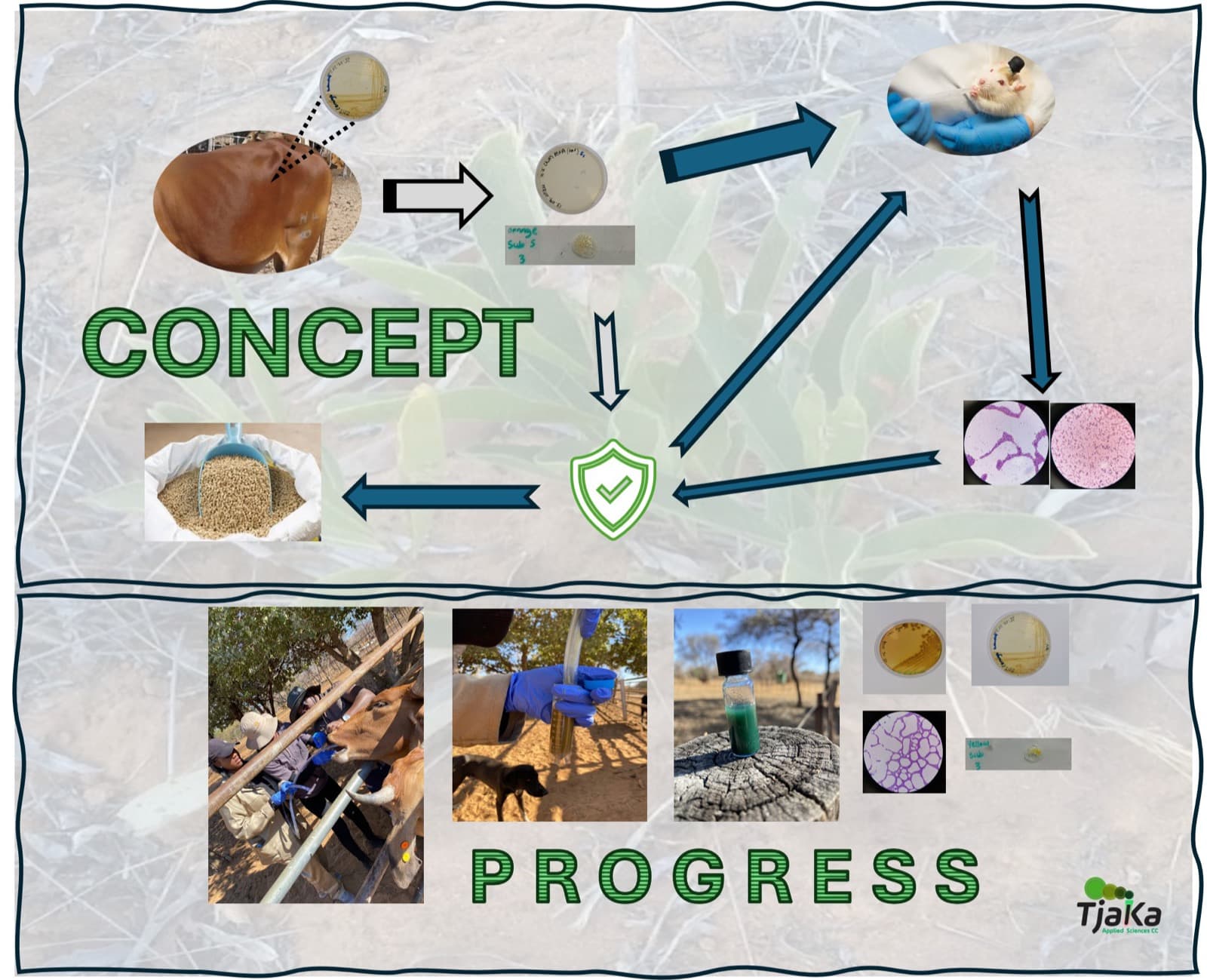
Toxic plants like Gifblaar cause major livestock losses with no effective antidote. AntiFlopos develops a probiotic-based medicated feed to protect animals by mimicking the natural resistance found in native ruminants.
Toxic plants such as Gifblaar (Dichapetalum cymosum) cause severe livestock losses, yet no effective antidote exists. Current scientific approaches, including inoculation to offer resistance to animals, remain limited to small-scale applications, are tedious, and require state-of-the-art handling.
AntiFlopos was developed to test a probiotic-based medicated feed against Gifblaar, drawing inspiration from native ruminants that have naturally developed resistance to the plant. By harnessing their unique microbiome, the team aims to create a practical medicated feed for livestock.
To date, microbiome ecological screening has been completed, with sampling and colony plate images available. At the Epukiro Centenary, booth visitors expressed readiness to participate in the testing phase and a strong interest in purchasing the product.
Recognition
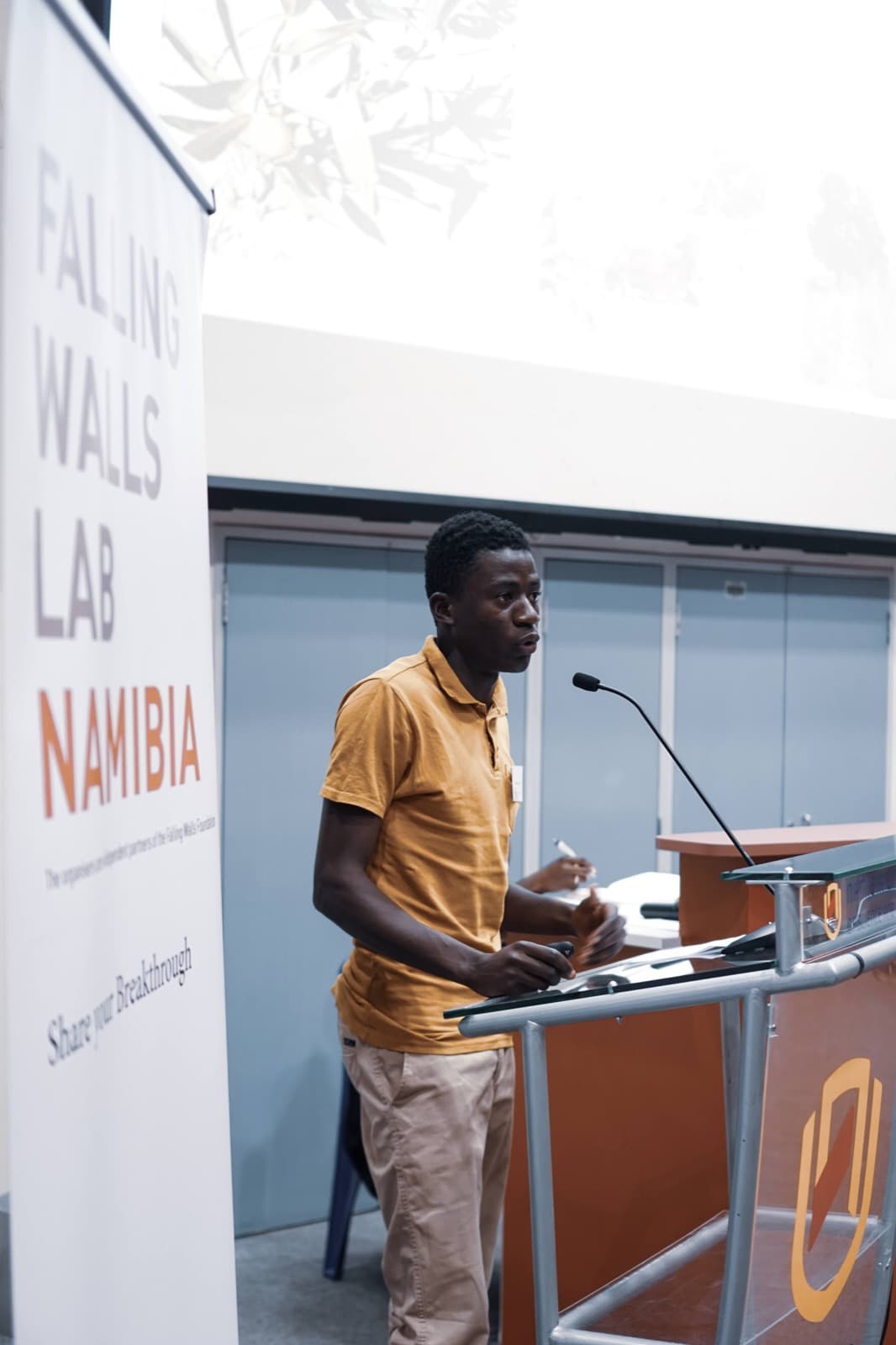
: 3rd place at Falling Walls Lab Namibia
: Selected for incubation under the NUST Innovation Hub (NUSTi)
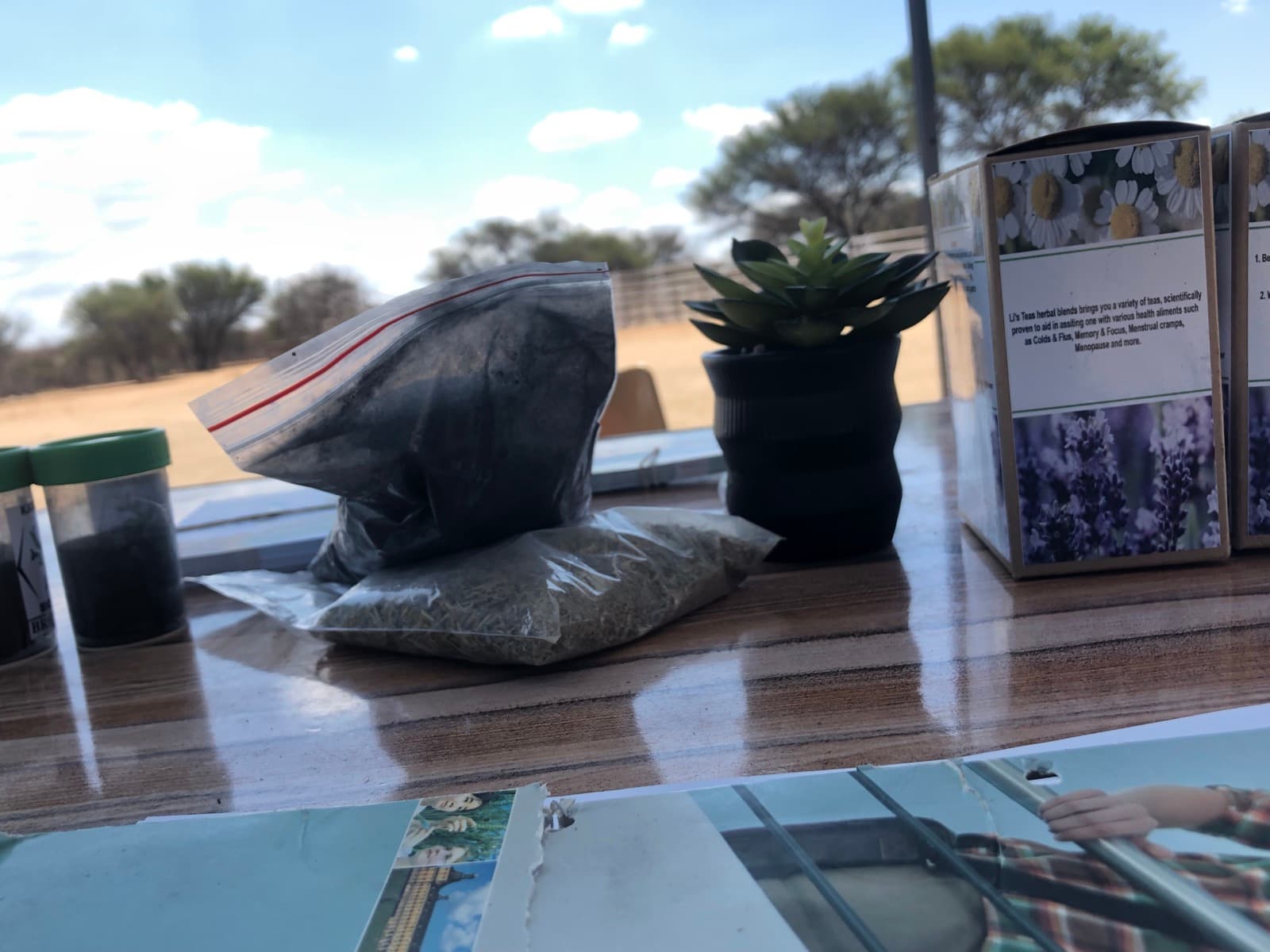
: Showcased at the Epukiro Centenary
Status: Microbiome ecological screening completed
Scientific advisors: Prof. Habauka Kwaambwa (NUST), Prof. Percy Chimwamurombe (NUST)
Environment Reclamation
UpBushMush
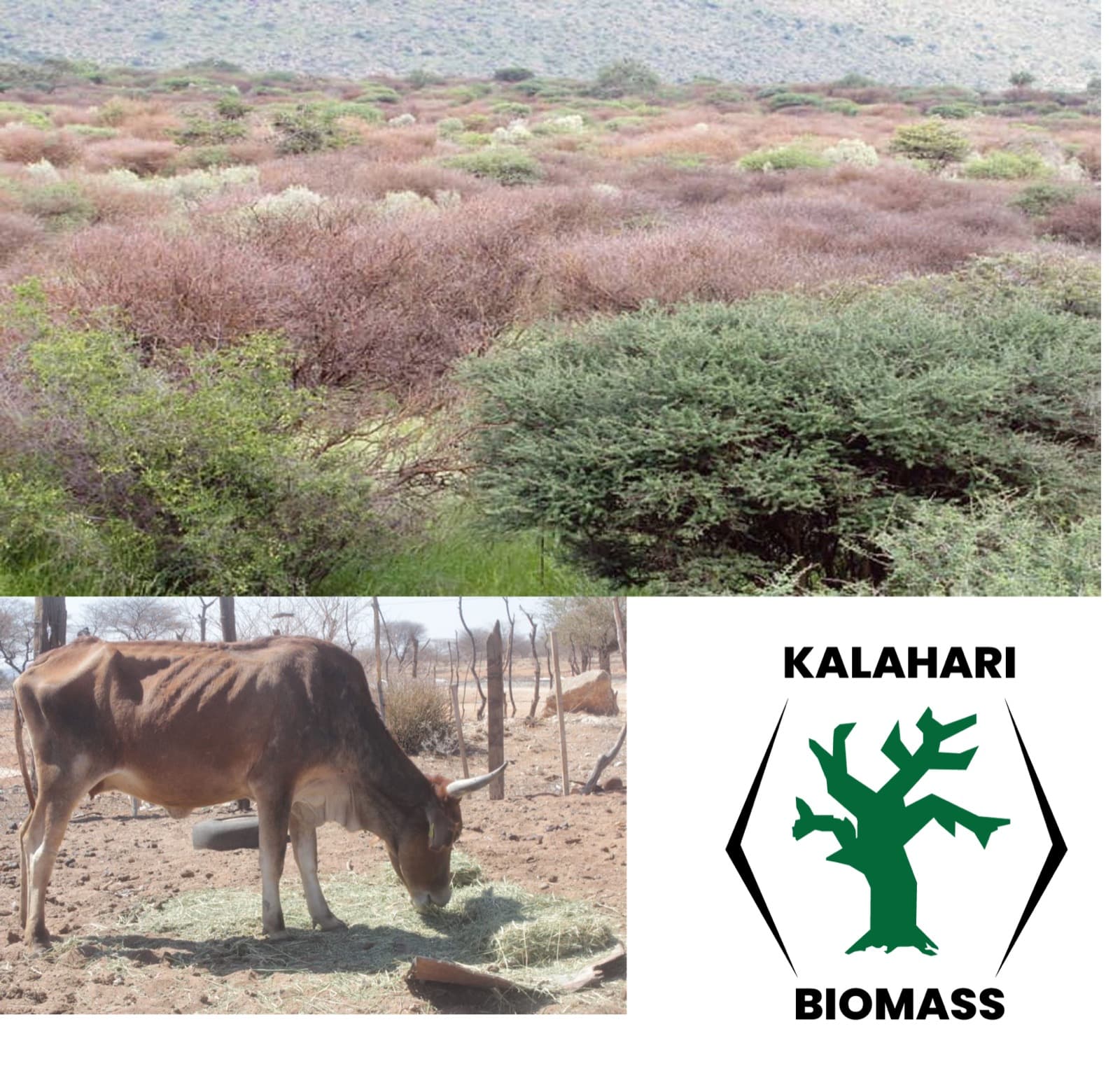
Bush encroachment creates massive lignocellulosic waste, mostly burned as firewood. UpBushMush upgrades this bush into a mushroom growth substrate and then into nutritious animal feed.
Bush encroachment is a major environmental problem, and debushing generates vast amounts of lignocellulosic biomass waste that is currently used mainly for firewood. To benefit from this resource, diversification of products is required.
UpBushMush aims to upgrade bush for feed using mushrooms, assessing lignocellulosic biomass from encroacher bushes for use as a fungal growth substrate, and later as animal feed after the fungi have completed their life cycle. Although hardwood biomass is highly resistant to most organisms, it can be pretreated with fungi to make it digestible, turning waste into nutritious substrates.
The team is currently optimizing conditions (mushroom types, environmental parameters, and harvesting time) to ensure the remaining substrate has high nutritional value for feed formulation. Edible mushrooms have already been successfully grown and consumed.
Status: Optimizing growth conditions; edible mushrooms grown & consumed
In partnership with: Kalahari Biomass
Water Quality
MOP Compact Filter
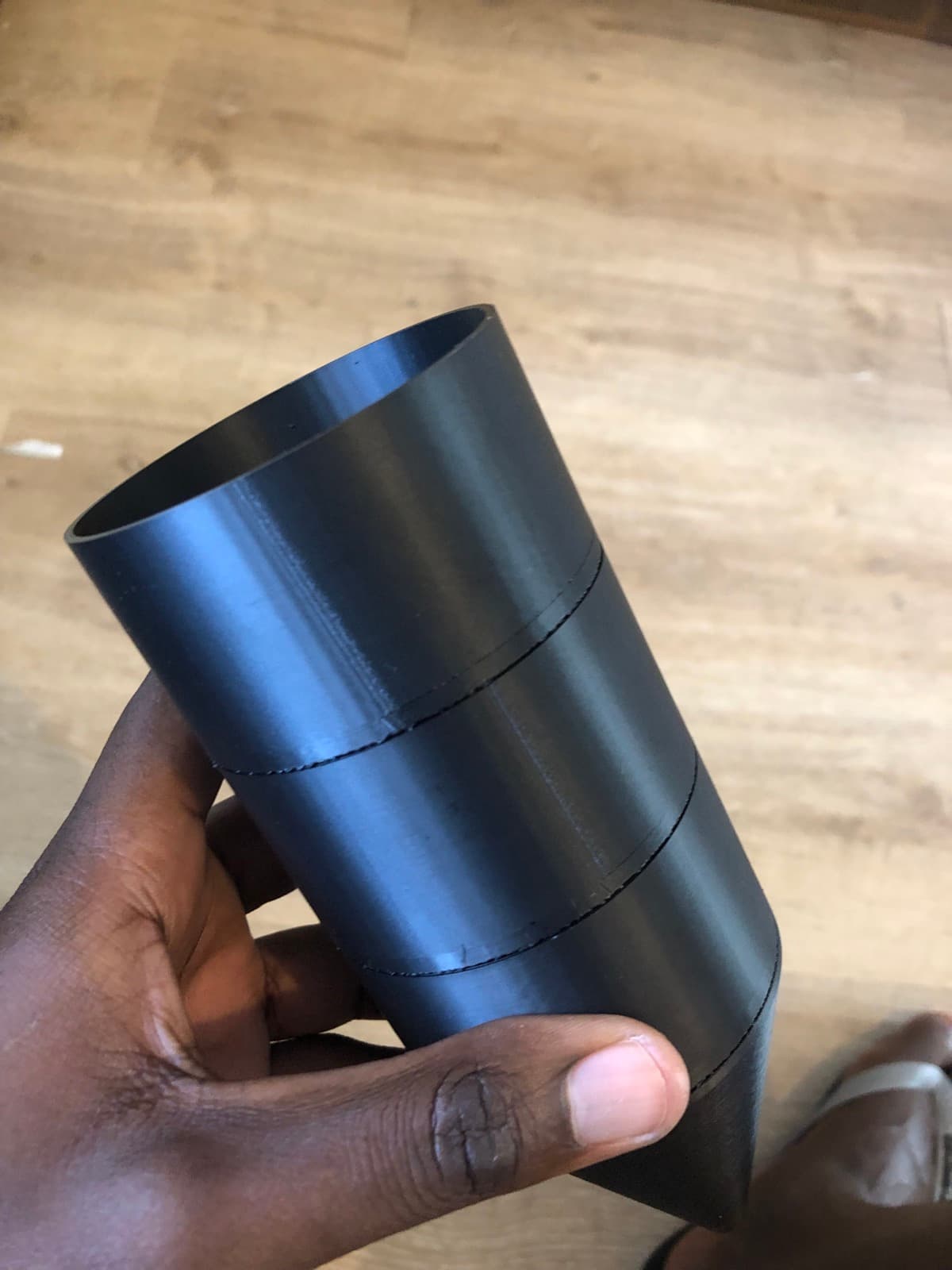
Rural communities in southern Africa rely on open water sources that are often contaminated. This project turns a proven moringa-based purification system into a compact, portable, gravity-fed water filter.
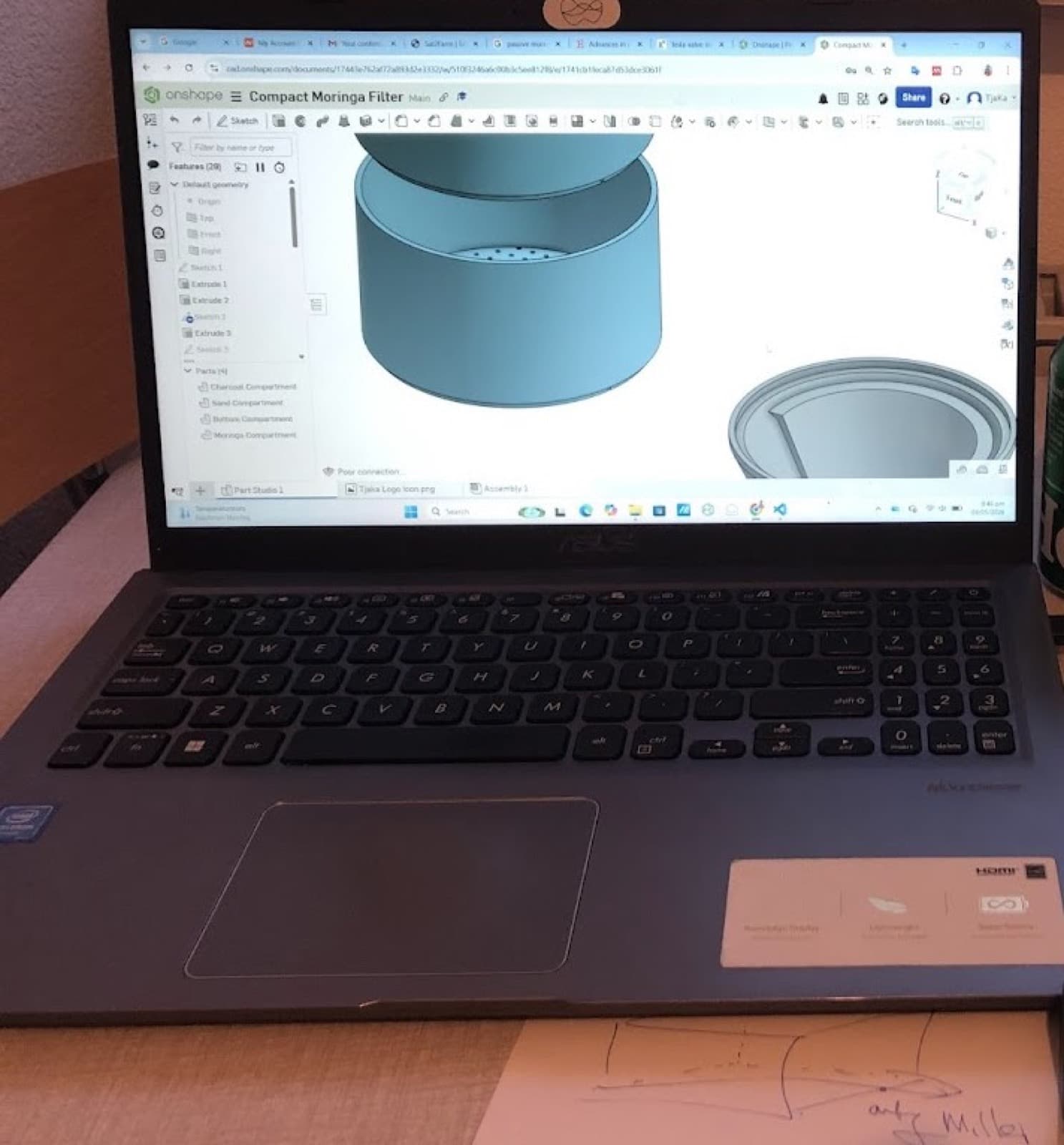
Water scarcity is a global problem, and communities in southern Africa often rely on open water sources that are not clean. The innovation behind the MOP Compact Filter is to turn a proven moringa-based water purification system into a compact, portable water filter.
The original moringa-based system, pioneered by Moringa Global Innovations and tested at NUST, has shown good results in removing both chemical contaminants and pathogens. However, the system may not be user-friendly for rural communities. To address this, the team is designing a passive gravity filter that is compact and easy to use.
Prototypes will undergo laboratory testing from August 2026 to October 2026.
Status: Prototype lab testing: August to October 2026
In partnership with: Moringa Global Innovations
Latest Updates
News & Stories
Competition
Falling Walls Lab Namibia
Our AntiFlopos concept took 3rd place at Falling Walls Lab Namibia, sharing our breakthrough in probiotic-based livestock protection on a national stage.
Showcase
Epukiro Centenary
We exhibited our work at the Epukiro Centenary, where visitors expressed readiness to join the testing phase and a strong interest in purchasing our products.